

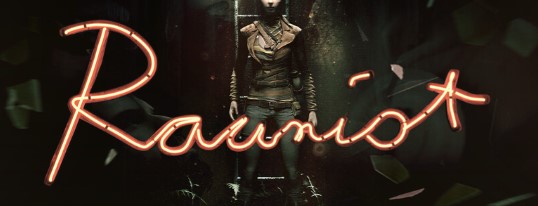
Welcome to the northern Finnish wasteland, survivor! A setting that even makes the first Fallout seem like a place of joyous happiness. Now, the Finnish people, along with the rest of the Nordics (trust me, I’m one myself) are not the most cheerful of people, especially not the ones from the cold frozen north. So, with that, you can expect a tale of utter misery and human suffering. This is not Grandpa’s fun 50s apocalypse, this is Ragnarök in pure Finnish melancholic – and I like it.
The North
1975 wasn’t a great year for humanity in Rauniot. It was the year everything turned to dust. Fuel was running out, soon followed by nukes impacting all nations. Very traditional end-of-times scenario, you see. Turning the world into one giant ball of fun, with cannibalism and other horrors around every corner. In this world, you play Aino, a no-nonsense face-tattooed female metalhead with a mission to find a missing community member and to locate some kind of experimental nuclear train – but what for?
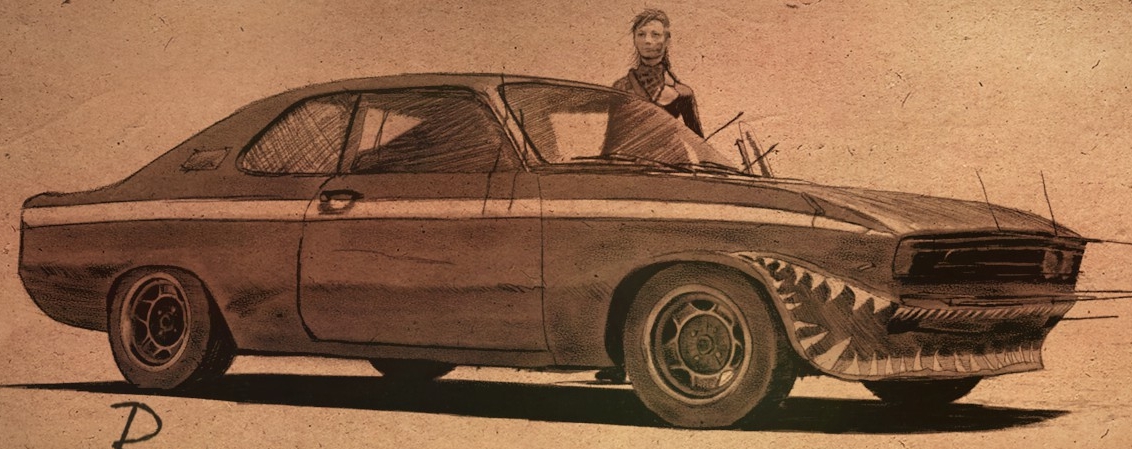
Rauniot takes place in northern Finland, and anyone with any semblance of knowledge of the Nordics would say this looks the part. Well, except for the sickly brown tint from a world burning up (it reminds me of South American movies). One thing to take notice of is that Aino is not the usual downtrodden survivor that is usually the case in these kinds of dramas. She comes prepared and has tools, a weapon, and a car. It’s a different and fresh start, instead of having to crawl up from the vats of the apocalyptic wilderness. But things won’t be easy, as not to reveal too much. It should be pointed out that this is not an RPG or an action game. The world might be cruel and its inhabitants even crueler, however, you won’t be living out any kind of Mad Max fantasy.
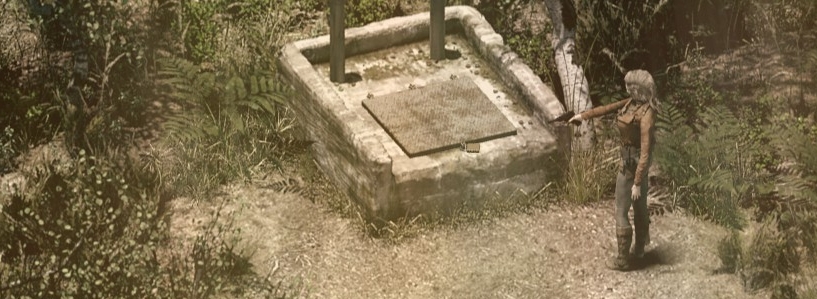
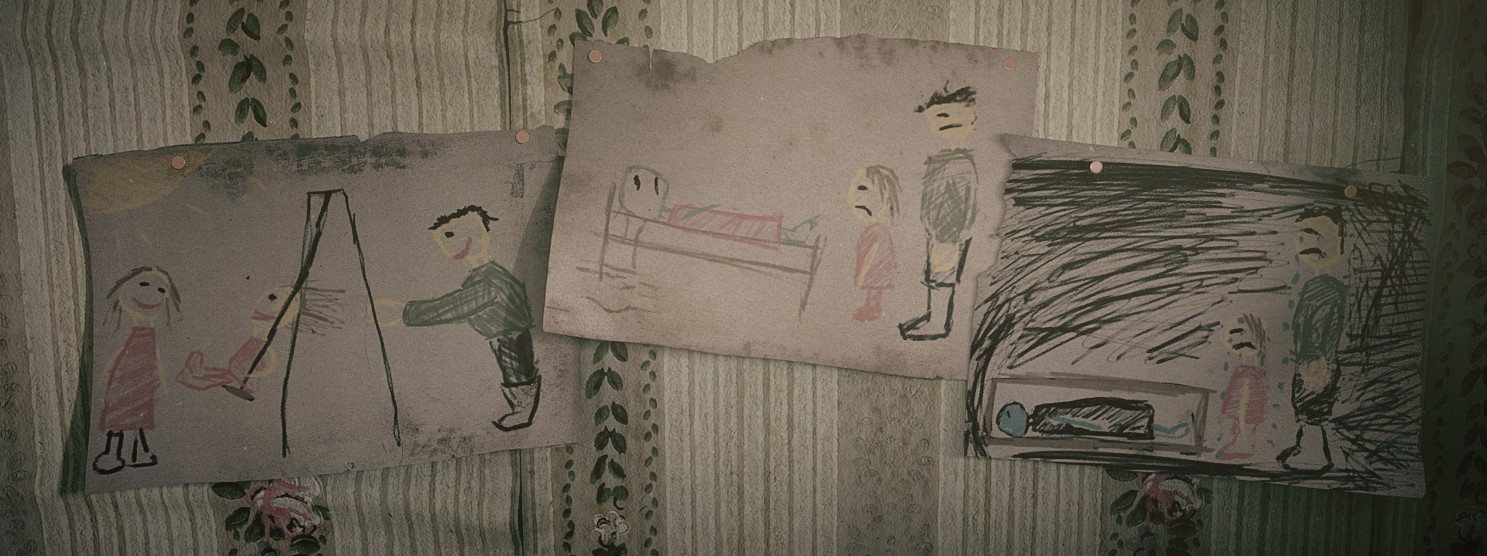
Rauniot is way down there instead where Finnish (and I would say Russian too) dramas usually walk. In the muck of the desperate and melancholic. It’s a tone that is a constant throughout the game, and you can bet your ass that you haven’t heard the most miserable tale just yet when meeting new people. I enjoyed it, but this style of writing is not for everyone. The best I can compare it to is the novel The Road by Cormac McCarthy, and when it comes to imminent nuclear war and its consequences, the movie Threads from 1984 is a good pick.
The story is not overly deep, but it doesn’t have to be. The setting is interesting as it is, and the characters do seem to have a purpose in this scarred world. Most of them are eagerly ready to tell you their story, yet it’s never verbose in a way that it becomes annoying – I mean, these people are Finns after all! I didn’t find anything about the plot to ever drag on, or not making sense. It does all come together eventually, even if stuff might seem confusing depending on where in the story you stumble over the narrative puzzles. So, what about the gameplay?
The pointing and clicking
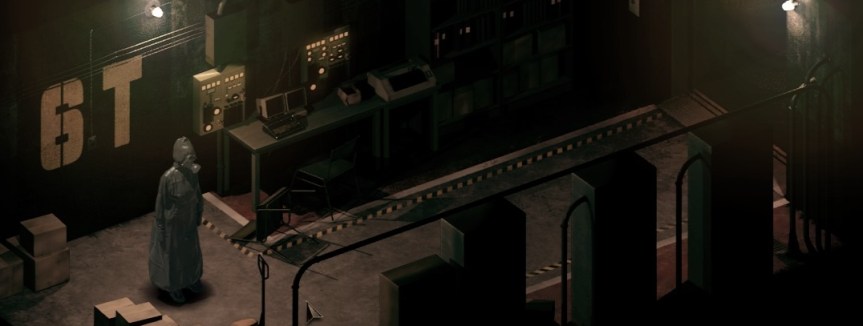
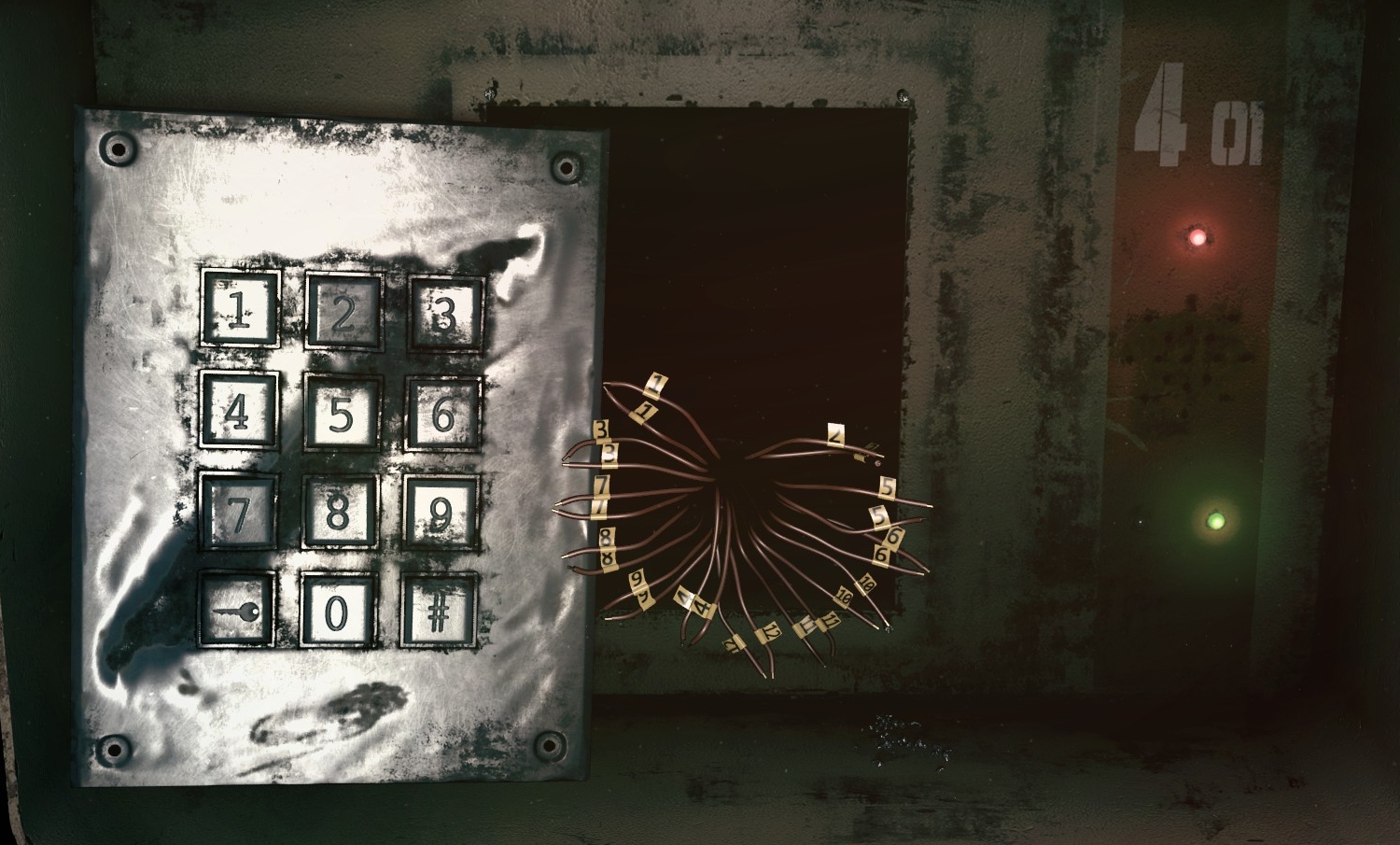
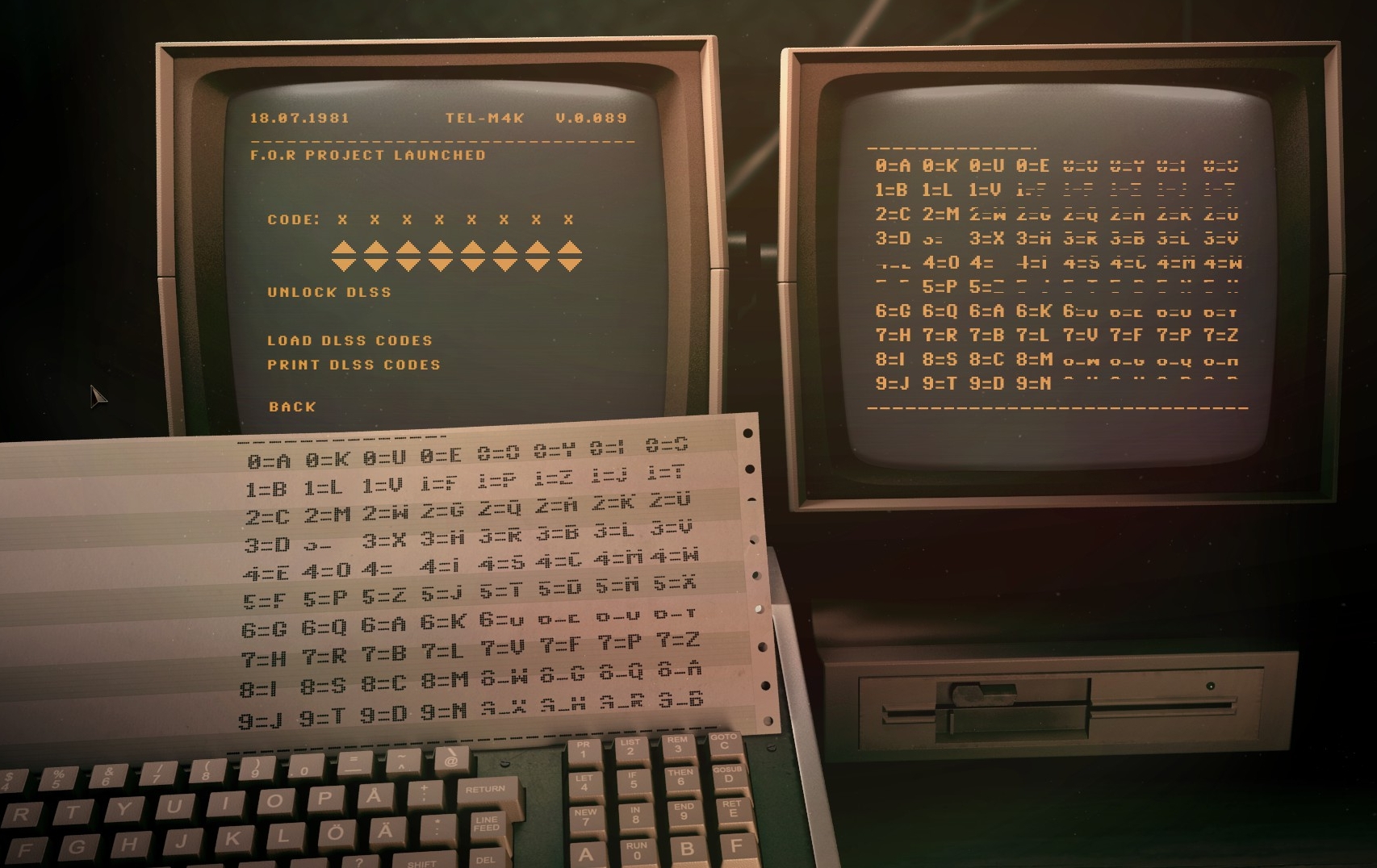
It shouldn’t come as anyone’s surprise that there will be a lot of pointing and clicking in this adventure game. Also, Rauniot has no “highlight” key, which means the gameplay consists of a truly old-school style of pixel hunting. I wouldn’t say it’s as bad as the olden days, but you do have to scan the areas with your mouse to not miss out on important stuff. I had a few moments just like that, which forced me to go back to have a second look. The problem-solving makes sense for the most part, and it’s not exceedingly hard, except for a few puzzles at the end that had me stumped for a while. When it comes to numbers my brain goes into instant lockdown mode, and can only be lured out with soft music and alcohol.
Now in hindsight, they were all logical in a point-and-click adventure type of way, but maybe not so much if you measure it by realism. What can come off as a bit tedious is that you have to teleport around from scene to scene if you can’t solve the puzzles from the get-go. It screws with the pacing and immersion a wee bit. I wouldn’t say it’s a big deal since this is a thing in most adventure titles. All in all, I enjoyed the search for clues and items. The puzzles were entertaining too, even if some left a permanent mark on my hairline from all the head-scratching.
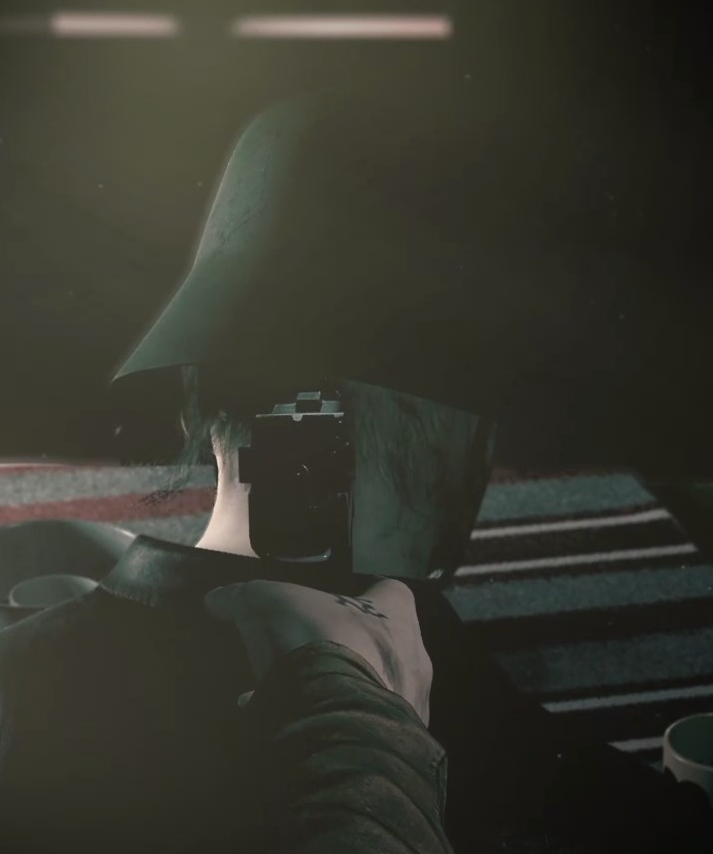
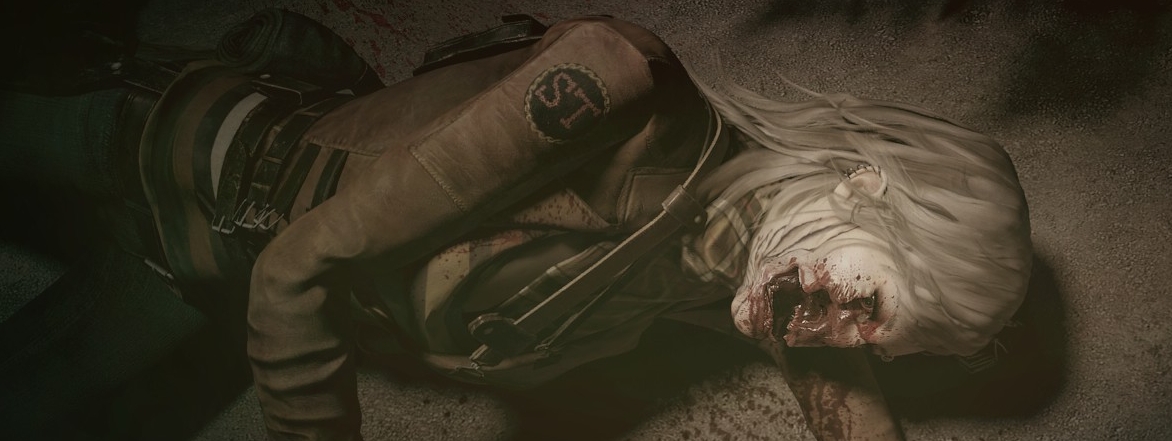
A few additional notes that should be mentioned is that you can die. However, it’s not a particularly rough mechanic like in the classic days, since you won’t be set back hours depending on when you saved. When I died, the game made an autosave the very moment before I got struck with a bullet to my brain – very convenient, I must say. You still have to live with the failure through a nasty cutscene though. Another thing is that there are a few alternative paths through the game that all have a different effect on the ending. There are decisions to be made – who to put a bullet into or anyone at all for example. A nice touch for repeat playthroughs.
The presentation
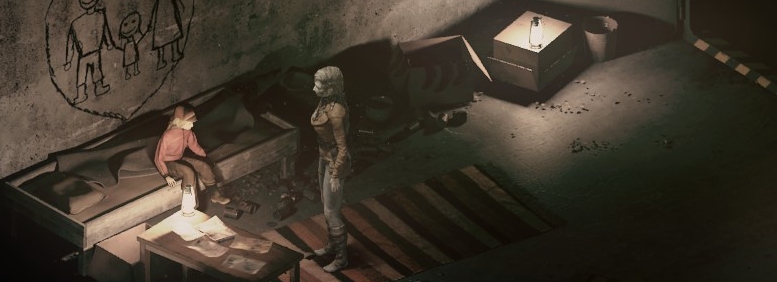
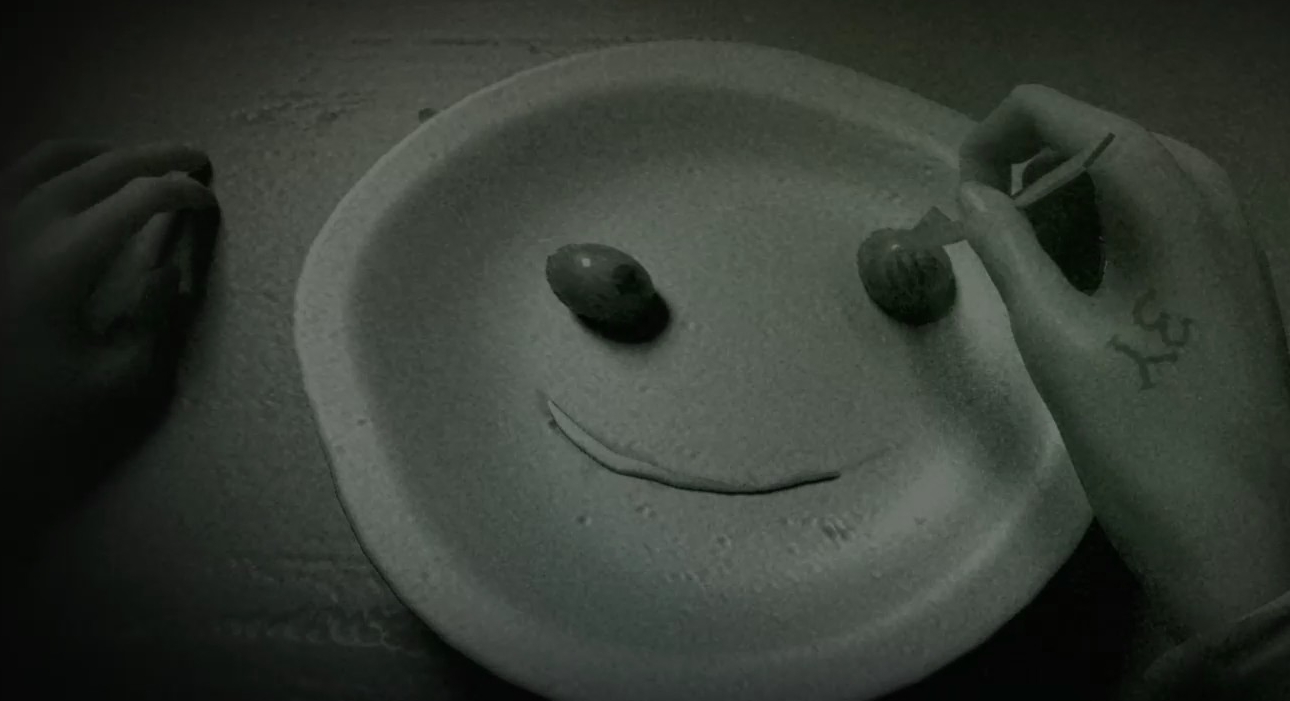
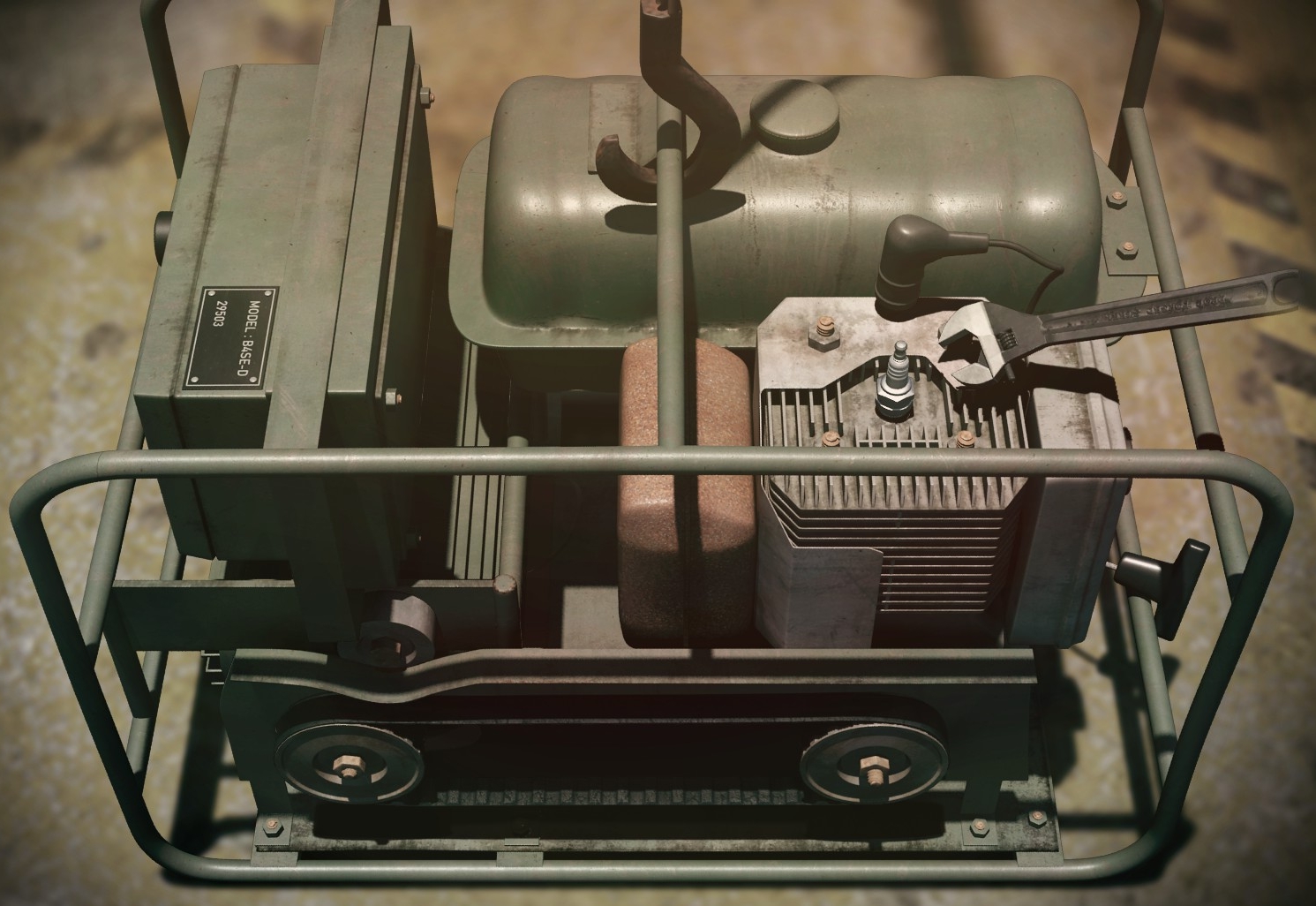
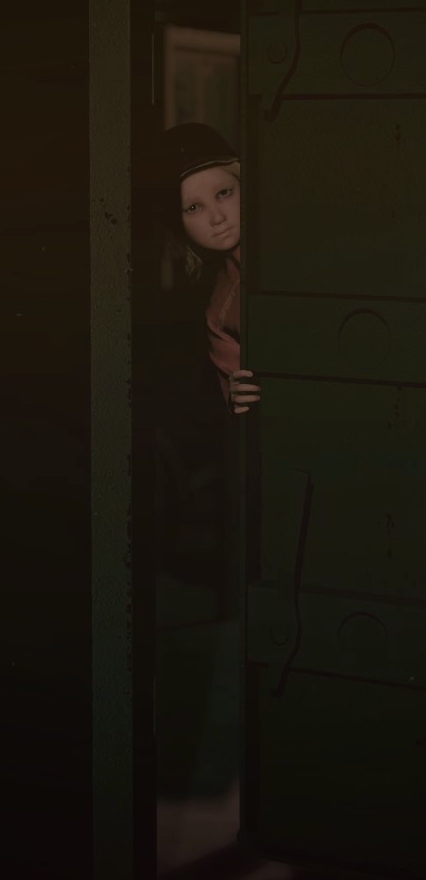
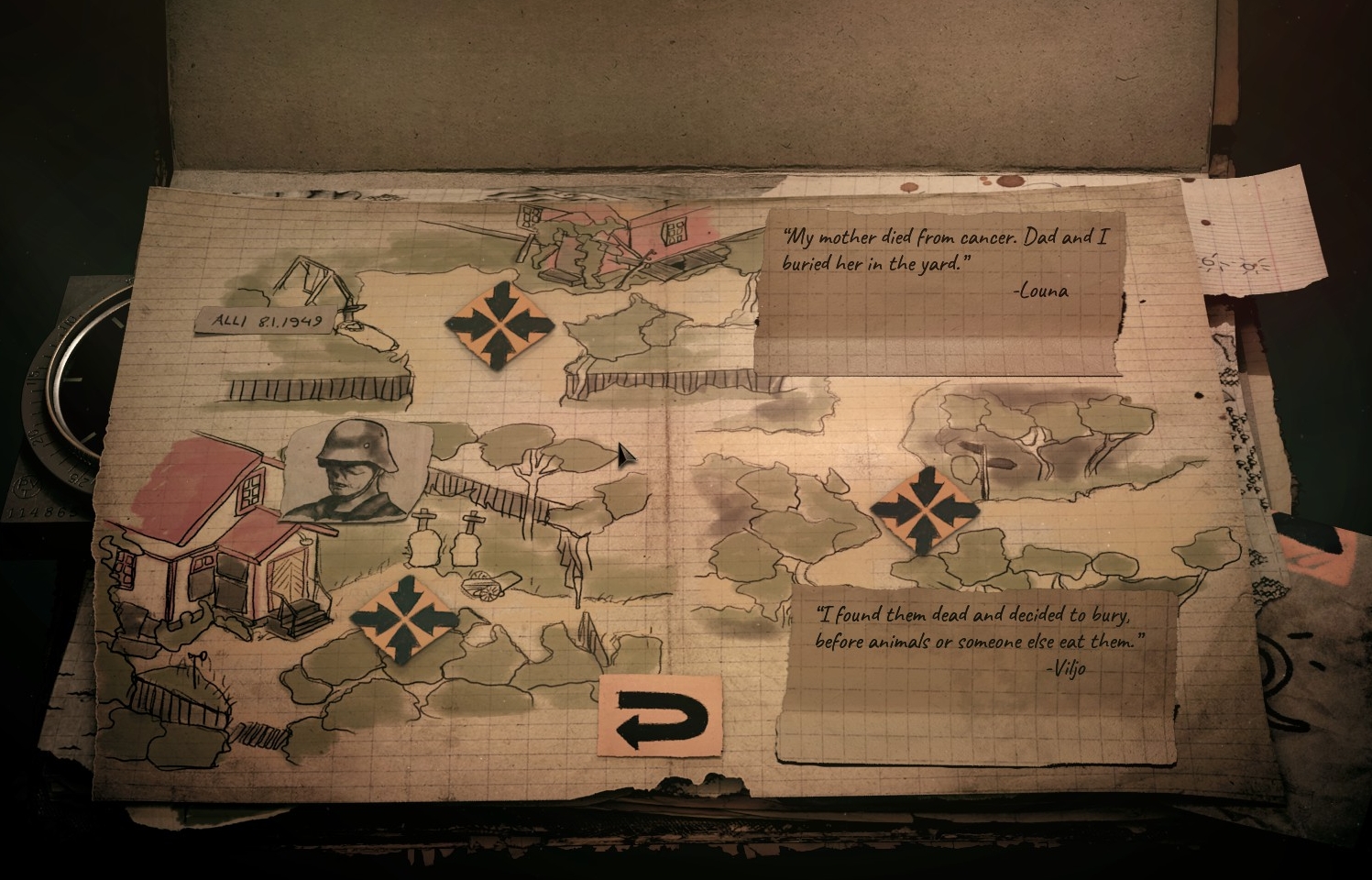
One genuinely stand-out part of the experience is its high polish of animations, visual style, and random artistic flair. Everything interface-wise matched the tone and setting of the game, which made the gameplay very immersive. Especially when interacting with old 70s computers, and other items, like for example your map that lists objectives. Rauniot has a lot of minor animations when it comes to puzzles, like unscrewing bolts, or just seeing Aino making her way in the world to reach these enigmas. The game regularly switches from top-down animations to full-blown animated cutscenes to the more stylistic choice of “letterboxing” when it comes to dialogue. The letterboxing I suspect might have been a budget choice, but it works and adds to the complete package. The music is of the droning kind, fitting for the wasteland. If I’m honest, I didn’t notice it too much. There was a metal tune that played in the beginning, but the rest felt more like apocalyptic background noise to a ruined world.
In conclusion
Rauniot is a fine adventure title, and I warmly recommend it to anyone who likes the genre. Especially if you like the more realistic approach to its graphical style, much like how they were made in the early 2000s. In a way, the game felt a little nostalgic thanks to his. I’m not sure if the story will truly wow anyone, but the presentation, with its slow melancholic take, is pretty unique. The puzzles land around in the middle of the difficulty chart. They will probably not slow you down too much but expect to work at least a few neurons if you want to complete the title. Varo kannibaaleja!
Thanks for reading.
/Thomas
– Review copy provided by developer –
| System: | PC (Steam) |
| Played with: | Mouse & keyboard |
| Release year: | 2024 |
| Mods/fixes: | None |
| Enjoyment rating: |  |
 Tom's Gaming Vault